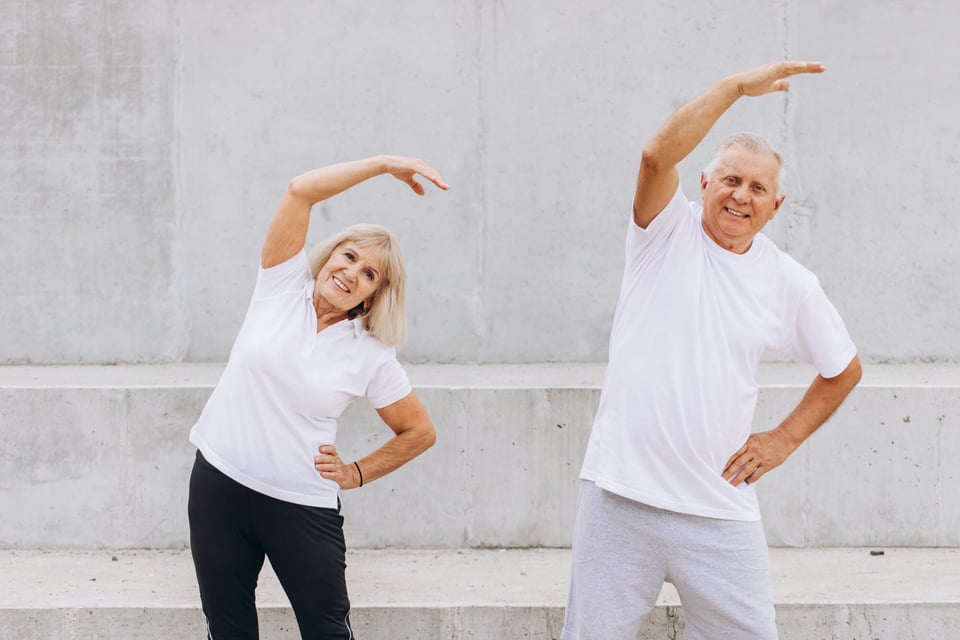
Balance exercises for seniors work because they strengthen the muscles that keep you upright, retrain the brain to react faster, and improve posture so your body stays aligned. Together, these changes enhance stability and significantly reduce the risk of falling.
According to the CDC, more than one in four adults over 65 experiences a fall each year. Falls may be common, but they are also highly preventable. Today, we're taking a closer look at the science behind balance exercises for seniors, why they work, and how they help maintain confidence, stability, and long-term mobility.
It's great info for seniors in Cedar Rapids, IA, a welcoming Midwestern city known for its strong arts scene, friendly neighborhoods, and vibrant mix of cultural, recreational, and community-focused amenities.
How Long Should a 70-Year-Old Be Able to Balance on One Foot?
Many people wonder how long a 70-year-old should stay steady on one foot. A common guideline is around 5 to 10 seconds, though this number varies from person to person.
Some older adults can hold the position longer, while others feel unsteady after only a moment. Health history, daily movement habits, and muscle strength all play a part in this difference.
Shorter balance times often reveal early signs of decline, which can increase fall risk over time. This simple test gives a quick look at how the body responds to standing still and keeping posture steady. It also helps show why balance exercises for seniors matter in fall prevention science.
What Is the Main Cause of Balance Problems in the Elderly?
Balance changes often appear slowly with age, and many adults don't notice them until daily tasks feel less steady. Several age-related shifts work together and affect control, posture, and confidence:
- Sensory decline
- Muscle loss and joint stiffness
- Slower neural processing
Sensory Decline
Many older adults experience weaker signals from their eyes, inner ears, and feet. These systems guide the body during movement and stillness.
When they shift with age, posture in aging becomes harder to manage. A slight wobble may feel stronger, and quick adjustments feel harder to make.
Muscle Loss and Joint Stiffness
Lower-body muscles tend to weaken over time. Tight joints limit how freely someone can shift weight. These changes make simple movements feel less stable. They also reduce the strength needed to stay upright when the body sways.
Slower Neural Processing
The brain-body connection often works a bit slower with age. Signals that guide balance don't move as quickly as they once did. The delay can affect quick corrections, especially on uneven surfaces or in busy spaces.
Why Balance Exercises for Seniors Work: The Science Behind Stability
Balance training makes a clear difference for older adults. The brain, posture, and overall control all play a part:
- Neuroplasticity and retraining
- Better sensory awareness and timing
- Stronger coordination and movement patterns
Neuroplasticity and Retraining
Balance work taps into the body's ability to form new pathways. Small, steady challenges help the brain react faster to shifts in position. This change supports stability and cognition, which helps with daily movement and unexpected situations.
Better Sensory Awareness and Timing
The body learns to sense where it is in space with more accuracy. Repeated practice sharpens joint position sense. It helps the brain-body connection stay active, which supports quicker responses to small changes in posture.
Stronger Coordination and Movement Patterns
Regular balance exercises for seniors encourage smoother movement. Muscles learn to fire at the right time and in the right order.
It makes each step feel more controlled. It also gives the body a better chance to stay steady when faced with sudden sways or uneven ground.
The Role of Posture and Alignment in Aging Bodies
Posture shapes how the body moves and reacts to small shifts in balance. Many older adults notice that their stance changes with time, which affects comfort and stability.
- Forward-leaning posture
- Restoring neutral alignment
- Improving sensory feedback
Forward-Leaning Posture
A forward tilt often grows stronger with age and shifts weight toward the toes. The change increases the chance of a misstep.
It also places more strain on the neck and back. Posture in aging often shows up in these small day-to-day shifts that make standing and walking less steady.
Restoring Neutral Alignment
Simple strength work and gentle stretches can help bring the body back into a more centered position. When joints move with less tension, the body handles weight shifts with better control.
Improving Sensory Feedback
Good alignment makes it easier for the body to sense motion and position. Clear signals help the brain react with better timing. Small improvements like these play a part in fall prevention science by supporting a calm and steady stance.
Frequently Asked Questions
How Often Should Seniors Practice Balance Training?
Many older adults see good progress when they practice balance work several times a week. Short daily sessions can help even more.
The body improves faster when the movements feel familiar. Regular practice supports the brain-body connection and prepares the body for small shifts during daily tasks.
Are Balance Exercises Safe for Seniors With Arthritis or Osteoporosis?
Most people with arthritis or osteoporosis can do balance work with simple adjustments. Slower movements, supportive shoes, and a stable surface can help.
Some seniors prefer to hold a counter or chair during practice. These changes keep the joints comfortable while still promoting fall prevention science.
Do Cognitive Exercises Improve Physical Balance?
Mental tasks can help strengthen stability and cognition. When the mind works on memory or simple problem-solving during movement, the body learns to manage two demands at once.
Senior Strength Building and Balance Help
Balance exercises for seniors help strengthen the body, sharpen coordination, and support steady movement. With regular practice, seniors can move with greater comfort and trust in their balance.
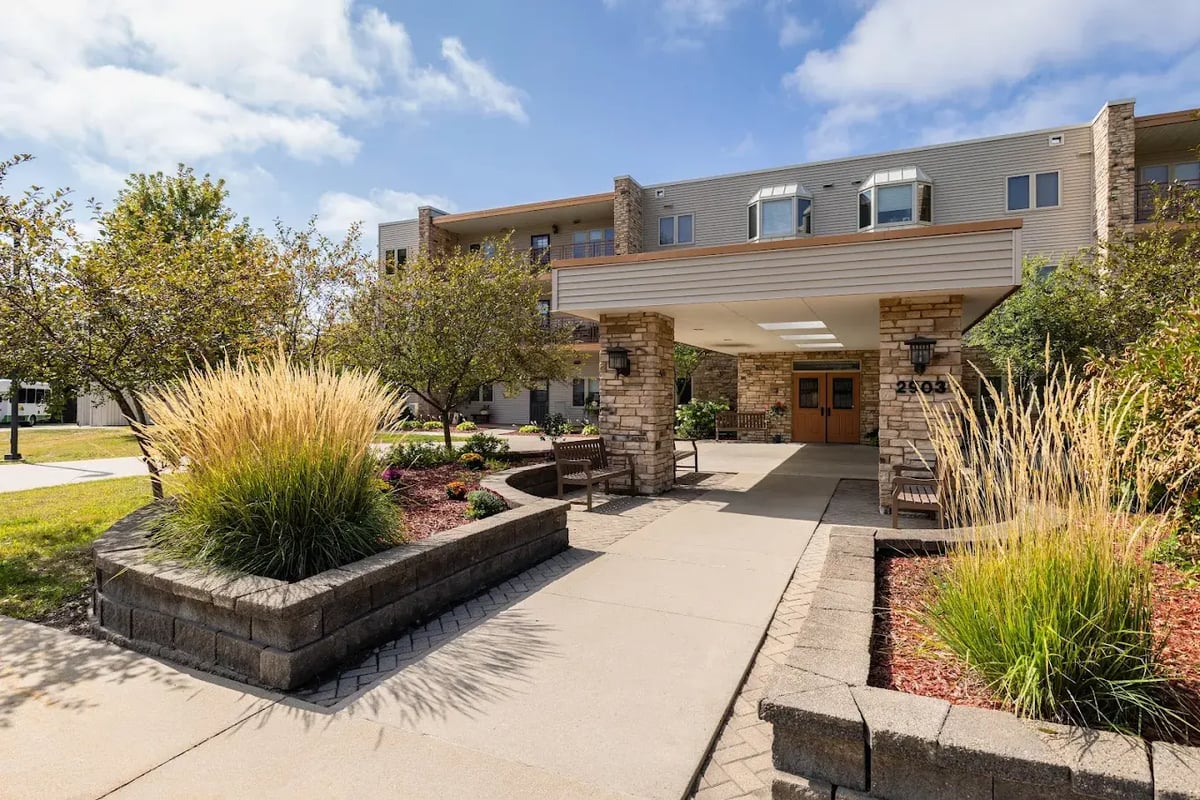
At Prairie Hills at Cedar Rapids, our team helps with daily tasks while encouraging independence, and residents enjoy chef-prepared meals, engaging activities, and more. With a dedicated wellness staff, a warm social atmosphere, and plenty of amenities, we offer a reassuring and uplifting Assisted Living experience for seniors and their families.
Get in touch today to find out how we can help with your loved one's care.