
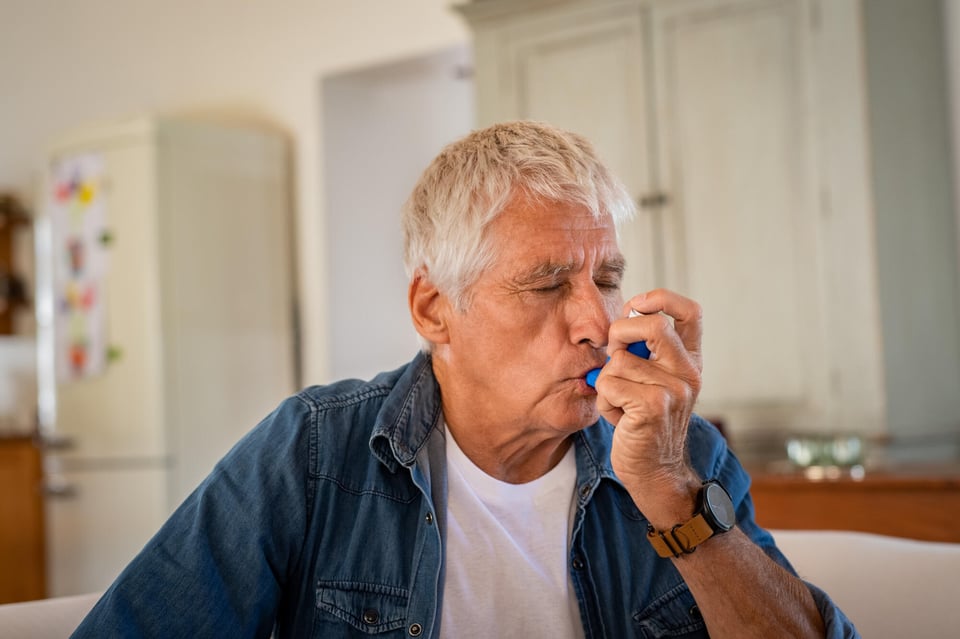
Spring offers longer days and chances to enjoy the outdoors, but it can also bring challenges for seniors with asthma. Seasonal asthma affects many older adults, making it harder to stay active when pollen counts rise.
At Prairie Hills at Cedar Rapids, we put resident health first, providing care and support to manage breathing concerns and maintain wellness.
According to the American Academy of Allergy, Asthma & Immunology, about one in 10 older adults in the U.S. has asthma. Spring allergies can trigger breathing issues during pollen season, limiting energy and outdoor activity.
Our Cedar Rapids community, just 27 miles north of Iowa City, combines comfortable living with personalized support. In this blog post, we will cover why asthma worsens in spring, calming strategies, safe outdoor activity tips, and when to seek help.
Why Is Asthma Worse In Spring?
Spring brings higher pollen counts, which can trigger asthma symptoms in older adults. Tree, grass, and flower pollen are common irritants that inflame airways, causing:
- Coughing
- Shortness of breath
- Chest tightness
Seasonal changes, including warmer weather and increased outdoor activity, can expose seniors to these allergens more frequently. Humidity levels and sudden temperature swings may also worsen breathing difficulties.
At Prairie Hills at Cedar Rapids, staff are attentive to residents' respiratory health, helping them adjust routines during high-pollen days. Seniors with seasonal asthma should monitor local pollen forecasts, keep windows closed on high-pollen days, and use prescribed inhalers or medications as directed.
Understanding triggers and recognizing early warning signs can make spring safer and more enjoyable, allowing older adults to continue social and physical activities with confidence.
How To Calm Seasonal Asthma
Managing seasonal asthma involves both prevention and response. Seniors can limit exposure to allergens by keeping windows closed, using air purifiers, and washing hands and clothing after outdoor activities.
Regular use of inhalers or prescribed medications helps control airway inflammation and prevents attacks. Gentle exercise, like indoor walking or stretching, can maintain lung strength without overexertion.
At Prairie Hills at Cedar Rapids, residents have access to supportive care and wellness programs that encourage safe activity during allergy season.Breathing techniques, such as pursed-lip or diaphragmatic breathing, can relieve symptoms during mild episodes.
Monitoring peak flow with a simple meter helps detect early changes in lung function, allowing timely interventions. Combining these strategies helps seniors stay active while minimizing asthma flare-ups.
Safe Outdoor Activity Tips For Seniors
Spending time outdoors benefits physical health and mood, even for seniors with asthma. Timing outdoor activities in the morning or after rainfall can reduce pollen exposure. Wearing sunglasses and a hat helps protect eyes and hair from pollen, and covering the mouth with a scarf can limit inhalation of irritants.
Outdoor exercise should be moderate, avoiding overexertion when pollen counts are high. Prairie Hills at Cedar Rapids encourages residents to enjoy safe, structured outings and indoor alternatives when necessary.
Regular hydration, proper medication, and awareness of local air quality can further prevent flare-ups. By following these simple precautions, seniors can enjoy gardening, walking, or social activities without compromising respiratory health during the spring months.
When To Seek Help For Seasonal Asthma
Knowing when to get medical attention is crucial for older adults with seasonal asthma. Symptoms such as persistent shortness of breath, wheezing, chest tightness, or difficulty speaking should prompt immediate evaluation. Severe attacks that do not improve with inhalers require urgent care.
At Prairie Hills at Cedar Rapids, trained staff monitor residents' health closely and can respond quickly to emergencies.Scheduling regular check-ups with a healthcare provider ensures medication effectiveness and early identification of complications.
Keeping an asthma action plan and communicating changes in symptoms with caregivers or family members helps seniors manage risks. Recognizing warning signs early protects overall well-being, allowing older adults to enjoy spring safely while minimizing the impact of seasonal asthma.
Frequently Asked Questions
What Are Common Triggers For Spring Allergies for Seniors in Iowa?
Spring allergies can be triggered by pollen from trees, grasses, and flowers. Older adults may also react to mold spores or dust stirred up during seasonal yard work.
At Prairie Hills at Cedar Rapids, we monitor environmental conditions and encourage residents to minimize exposure when pollen counts are high.
How Can Seniors Manage Their Asthma During Allergy Season?
Maintaining consistent medication routines, using prescribed inhalers, and keeping track of symptoms are essential. Regular check-ins with healthcare providers help adjust treatment plans as needed. Understanding triggers and avoiding them when possible reduces flare-ups.
Are There Safe Outdoor Activities For Seniors During Spring?
Yes. Activities such as short morning walks, gardening with protective gear, or indoor exercises can keep seniors active while limiting allergen exposure.
Outdoor activity adjustments seniors should consider include:
- Timing outings when pollen counts are lower
- Wearing sunglasses
- Showering after being outdoors
Prairie Hills at Cedar Rapids promotes safe, structured outdoor and indoor options for residents to maintain fitness without risking respiratory issues.
Why Is Respiratory Health Important For Aging Adults?
Respiratory health in aging adults is critical because lung function naturally declines with age, and conditions like asthma or COPD can worsen without management. Early recognition of symptoms such as wheezing, coughing, or shortness of breath allows timely interventions.
How Does Prairie Hills Support Residents With Seasonal Asthma?
Our community provides education, activity modifications, and personalized care plans to ensure residents enjoy spring safely. Staff monitor residents' breathing and coordinate with healthcare providers to maintain asthma awareness in Cedar Rapids.
Where Can Families Learn More About Spring Asthma Care?
Families can contact our team for resources and guidance on managing seasonal allergies and asthma in seniors, ensuring safe participation in activities while preserving overall health and well-being.
Schedule a Tour With Prairie Hills at Cedar Rapids
At Prairie Hills at Cedar Rapids, we stay focused on supporting older adults living with seasonal asthma. Our community is built around senior health, with daily care, fitness programs, and wellness activities that support safe, active living.
Residents receive personalized support in a setting that puts comfort and well-being first. Schedule a tour to see how our team helps seniors stay healthy, active, and supported every day. We look forward to speaking to you about our welcoming community.